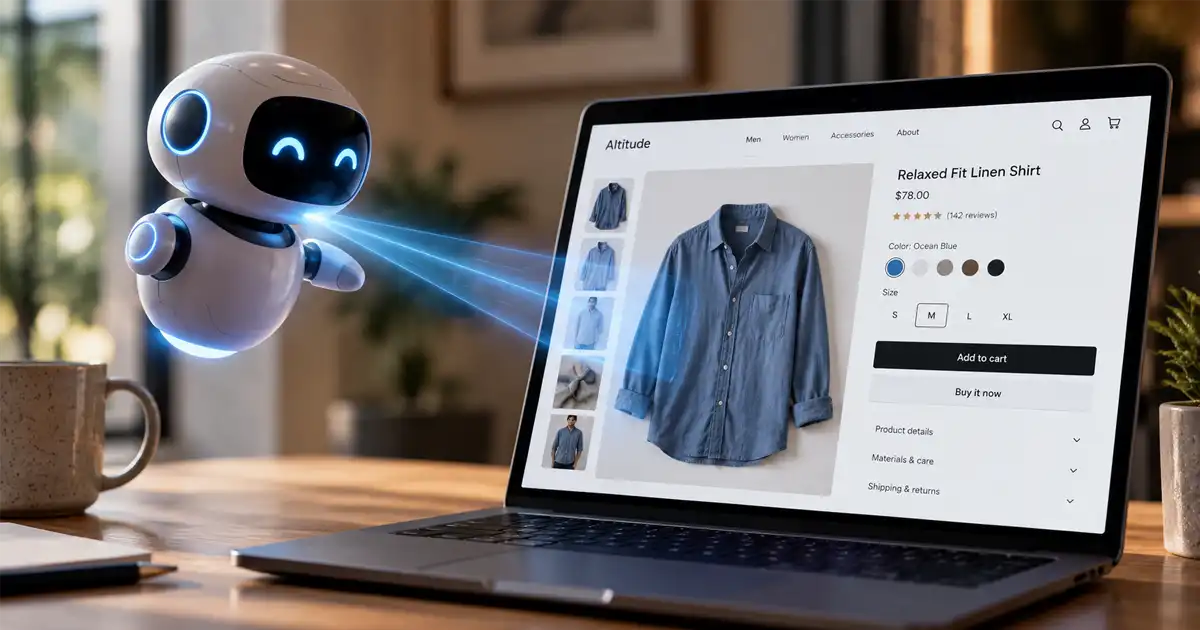
Amazon may want a product record for nearly everything sold online, including products that aren’t listed in its store. Reuters reported on November 13, 2026, that an internal Amazon document outlines a proposed initiative called World Product Graph, which would collect information from brands and other retail websites.
The idea matters because product data can shape what shoppers and AI tools find, compare, and recommend. But the project is not a confirmed launch. For sellers, the practical move is to keep your product information clear and consistent, not to reorganize your business around a proposal that may change or never ship.
Amazon wants a product record for almost everything
According to Reuters’ report on Amazon’s World Product Graph plan, the initiative would gather information on products whether or not Amazon sells them. The reported aim is a broad catalog that can help shoppers understand what products are, how they relate, and which one might suit a particular need.
The internal document describes two routes for building that catalog. Brands and retailers could provide product information, while Amazon could also gather details by crawling other retailers’ websites. Reuters reported that the document named Coca-Cola and Bayer as data contributors and described a trial with Procter & Gamble. Those specifics come from the document, not a public announcement of a seller program.
There’s a significant difference between a plan in an internal document and a working service. Reuters could not confirm whether or when Amazon will implement World Product Graph. The document includes October 1, 2027, as an aspirational release date, but that isn’t a confirmed launch date. Amazon told Reuters that draft, outdated documents can be incomplete and don’t necessarily reflect its current plans.
Why Amazon wants more than a bigger catalog
A larger pool of product information could help shoppers compare items without leaving Amazon to look up details on brand websites, forums, or review sites. The reported document says the project could help answer practical questions, such as which version of a product is newest, or which option fits a shopper’s preferences.
That kind of information could also support Amazon’s shopping tools. The document said many answers from Rufus, now called Alexa for Shopping, were factually wrong or incomplete. Amazon challenged the document’s figures: it told Reuters that the usage numbers were significantly outdated and that its current data showed Alexa for Shopping was roughly 97% accurate globally.
Those are two different claims from two different sources. The internal document criticized the tool’s accuracy; Amazon’s response offered a much more favorable figure. Neither point turns World Product Graph into a confirmed feature. But the proposal does show how closely Amazon’s shopping assistant depends on product information that’s complete enough to answer customer questions.
More detailed product records could also help Amazon’s own AI shopping tools make comparisons and recommendations. They could make its catalog more useful to outside shopping agents, too, if those tools draw on information available on Amazon. A detailed record won’t guarantee that an agent recommends your product, but missing or inconsistent facts can leave it with less to work with.
The fight is over who guides the shopping trip
When a shopper asks an AI agent what to buy, the agent may research products and send the person to a retailer, or help complete the purchase. That gives the agent influence over where the shopper goes. For Amazon, that can affect who gets the visit and the sale, as well as the shopping activity that may support advertising.
Amazon has its own interest in keeping that shopping experience on its platform. Reuters reported that World Product Graph could build on services such as Buy for Me and Shop Direct, which list products sold on other sites and let customers buy them through Amazon. The report also described Amazon’s concern about third-party shopping agents that might direct shoppers elsewhere.
The business stakes are not hard to see: if another agent guides the purchase, Amazon may have less control over the shopping visit. Amazon’s own tools, meanwhile, can keep customers within its shopping experience. The company’s position on third-party agents has also become a legal question. We covered the court case involving AI agents and Amazon, which sellers should keep in view as more shopping decisions move through software rather than a shopper browsing listings by hand.
For brands, this is another reason to pay attention to how product information works for both people and software. A person can often fill in a missing detail by looking at a photo or scanning a review. An automated tool may not make the same leap. It can only compare what it can read.
What sellers can do while the plan is still a plan
You don’t need to wait for World Product Graph to review your catalog. Start with the information shoppers use to decide whether a product fits their needs:
- Check titles and attributes. Make sure the product name and structured details identify the item clearly, including size, material, model, or other relevant specifications.
- Review variations. Confirm that sizes, colors, pack counts, and model versions are grouped and labeled accurately.
- Spell out compatibility. If a product works with particular devices, models, or accessories, state that clearly. Don’t leave buyers or software to guess.
- Compare channels. Check that the details on Amazon agree with the information on your own brand site. Differences between channels can make comparison harder for shoppers and automated tools.
- Answer real buying questions. Add useful specifics that help someone choose, not extra wording that says little beyond the category name.
Keep product information current as products change. If you update a model, package size, or compatibility list on one channel, check that the same change reaches the others. That’s useful catalog upkeep whether or not Amazon builds this particular system.
For now, treat World Product Graph as a reported proposal, not a new seller requirement. Amazon hasn’t announced a rollout or told sellers to submit data for this project. Better product information is worth the work today; making operational changes for an unconfirmed program can wait until there are confirmed details.
Tell Parker-Lambert about your brand and ask about a custom quote for your project.